RQI vs. Traditional CPR Training: Which is Best for You?
Compare RQI self-service manikins with traditional instructor-led CPR training to find the best certification method for your schedule and career.
RQI Self-Service Manikins vs. Traditional Instructor-Led Training: The 2025 Guide
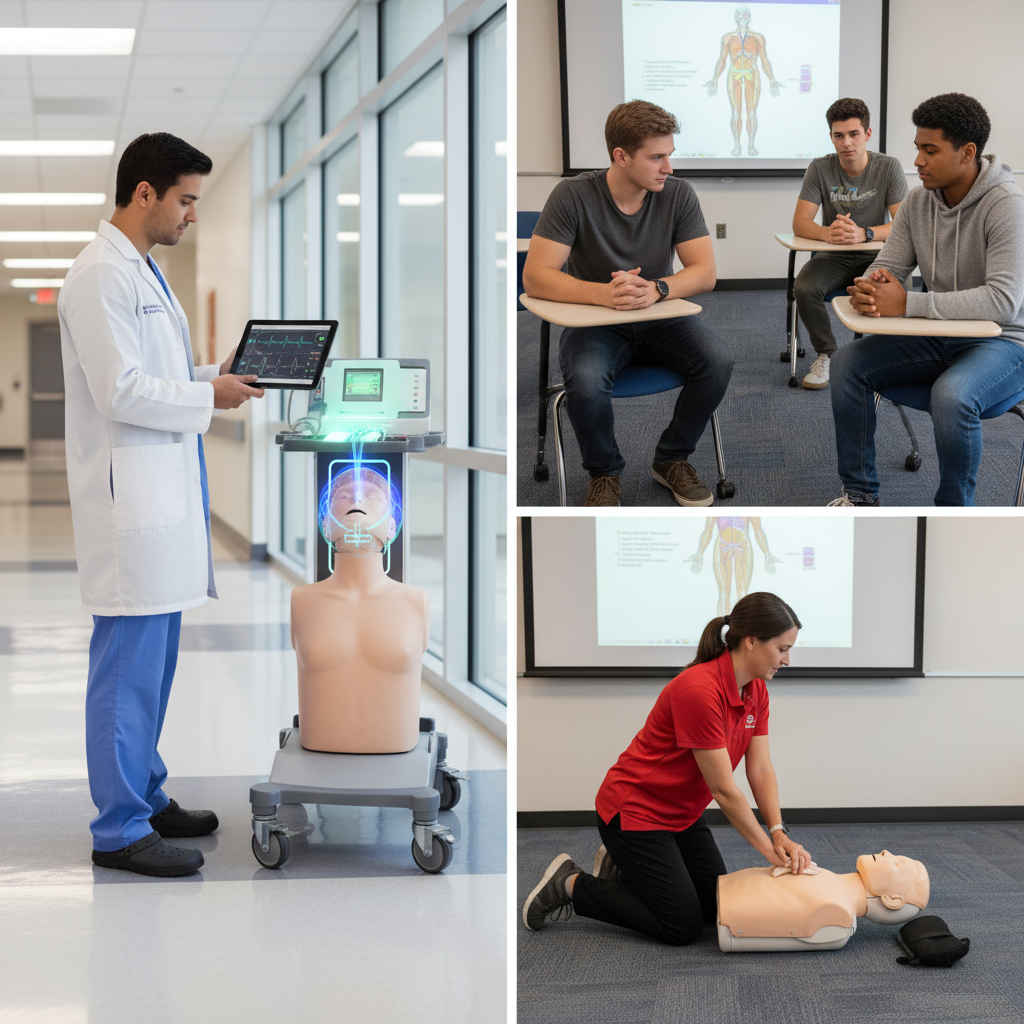
In the ever-evolving world of emergency cardiovascular care, the way we maintain our skills is shifting. Gone are the days when the only way to get a BLS or ACLS card was to sit in a windowless classroom for eight hours every two years. Today, the American Heart Association (AHA) and medical facilities nationwide are leaning heavily into Resuscitation Quality Improvement (RQI)—a self-service, manikin-based platform.
But for healthcare providers and laypeople alike, a critical question remains: Is a machine really better than a human instructor? Whether you are choosing the right CPR certification in 2026 or simply renewing your current credentials, understanding the pros and cons of RQI vs. Traditional training is essential.
What is RQI? The Rise of the Self-Service Manikin
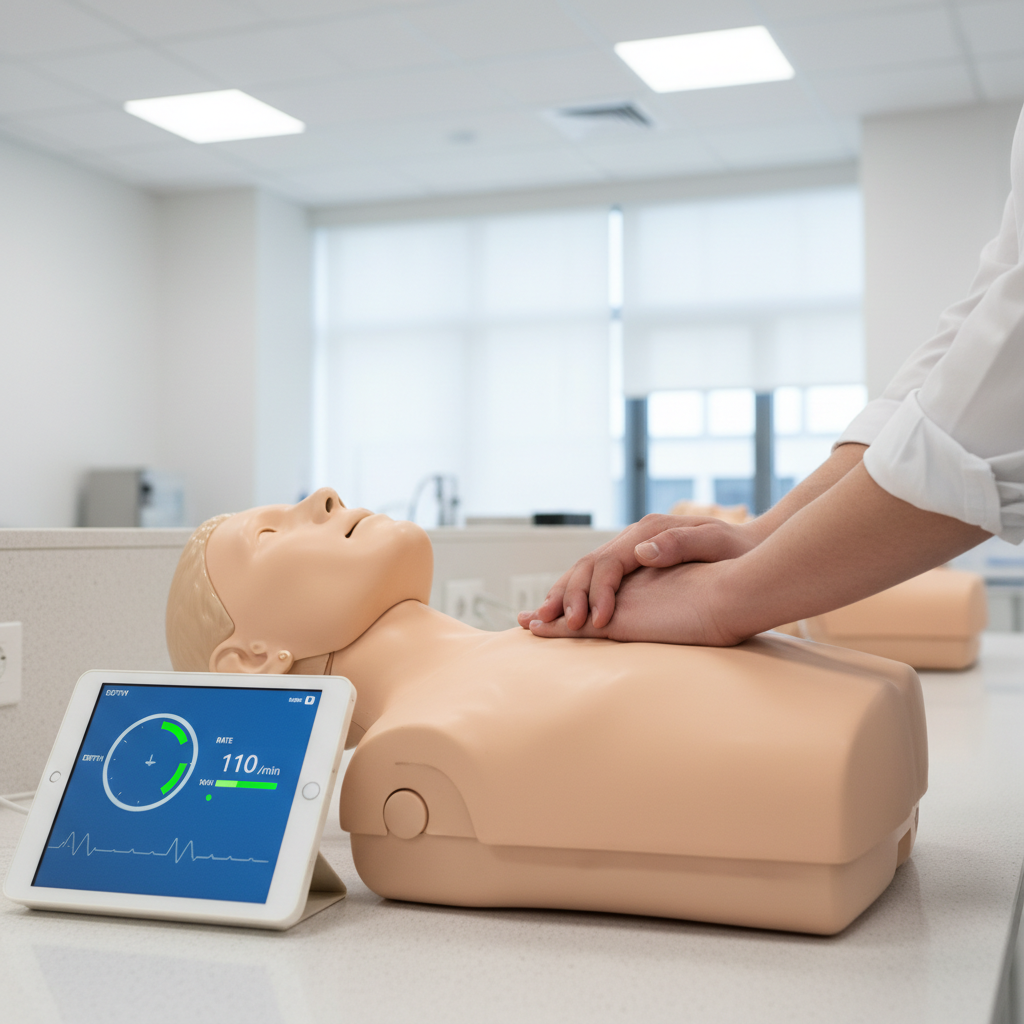
RQI, or Resuscitation Quality Improvement, is a subscription-based model designed primarily for hospital systems and large healthcare organizations. Instead of a biennial “mega-course,” RQI utilizes self-service manikin stations located directly in the workplace.
Providers perform “low-dose, high-frequency” practice—usually 10 minutes of chest compressions and ventilations every quarter. The manikin is linked to software that provides real-time haptic feedback, ensuring your depth, recoil, and rate meet the new 2025 ILCOR guidelines.
The Benefits of RQI Training
1. Combating Skill Decay
Studies show that CPR skills begin to decline as early as three to six months after training. The RQI model addresses this by requiring quarterly check-ins. This ensures that a healthcare provider’s muscle memory is always fresh.
2. Schedule Flexibility
For nurses and doctors on 12-hour shifts, finding a full day for a traditional class is a logistical nightmare. RQI stations are available 24/7. You can complete your skills check at 3:00 AM during a quiet moment on the floor.
3. Objective Data
An instructor might be lenient, but a computer isn't. The RQI manikin measures every millimeter of compression depth. To pass, you must meet the exact standard, leaving no room for "good enough."
The Value of Traditional Instructor-Led Training
While RQI is efficient for hospital staffing, traditional instructor-led training (ILT) remains the gold standard for many, particularly those searching the CPR classes directory for personal or small-office certifications.
1. Scenario-Based Learning and Nuance
A manikin cannot answer a question about a specific patient case or a unique workplace hazard. Human instructors provide context, share real-world experiences, and lead team-based simulations that RQI stations simply cannot replicate.
2. Confidence for Beginners
If you are taking Heartsaver or your first BLS course, a self-service machine can be intimidating. Instructors provide the emotional support and technique corrections that help beginners feel confident enough to act in a real emergency.
3. No Subscription Required
Traditional classes are a “pay-as-you-go” service. For small businesses, dental offices, or fitness trainers, paying for a corporate training session once every two years is much more cost-effective than maintaining an expensive RQI equipment subscription.
Key Comparisons at a Glance
| Feature | RQI (Self-Service) | Traditional Instructor-Led |
| :--- | :--- | :--- |
| Frequency | Quarterly (Every 3 months) | Biennial (Every 2 years) |
| Time Investment | 10-15 minutes per session | 4-8 hours per session |
| Feedback | Digital/Real-time | Verbal/Visual from Expert |
| Team Dynamics | Limited/Simulated | High/Group Scenarios |
| Best For | Large Hospital Staff | General Public, Clinics, Small Teams |
Choosing the Right Path for Your Certification
If you are a hospital-based professional, your facility likely dictates your path. However, if you are an independent contractor or a student, you'll need to decide which method fits your learning style.
Once you finish your session—whether via a machine or an instructor—the next step is vital: ensuring you get your credentials. You can see our guide on how to claim your CPR card to make sure your provider eCard is valid and accessible.
Practical Tips for Success
* For RQI Users: Don't rush. The sensors are sensitive. Focus on full chest recoil—the most common reason the RQI software “fails” a participant is leaning on the chest.
* For Traditional Students: Engage with the instructor. Ask about the specific equipment you have at your job site (e.g., specific AED models).
* For Training Center Owners: If you are managing a large volume of students across both formats, consider using CPR training center management software to keep your rosters organized.
Ready to Get Certified?
Whether you prefer the high-tech precision of an RQI manikin or the hands-on expertise of a certified trainer, the most important step is getting started. Don't let your certification lapse.
Find CPR Classes Near You today or Browse CPR Classes Directory to compare local providers and schedules. For more resources on staying compliant with national standards, visit our blog or learn more about CPR Search.
Start your journey toward saving lives today.
Ready to Get CPR Certified?
Find certified CPR training providers near you.
Find CPR Classes Near You